The AI bot paradox: eCommerce stores must welcome the crawlers that could also be attacking them
In 2026, AI crawlers powering product discovery and AI bots used for competitive scraping and security attacks are technically indistinguishable; both arrive as verified automated traffic through the same channels. eCommerce merchants need to map their AI bot traffic composition, set intentional access policies by bot category and page type, and implement storefront-level monitoring to tell the difference between bots discovering your products and bots stealing your data.
There's a new kind of threat facing eCommerce stores in 2026, and it doesn't look like a threat at all. It looks like a customer.
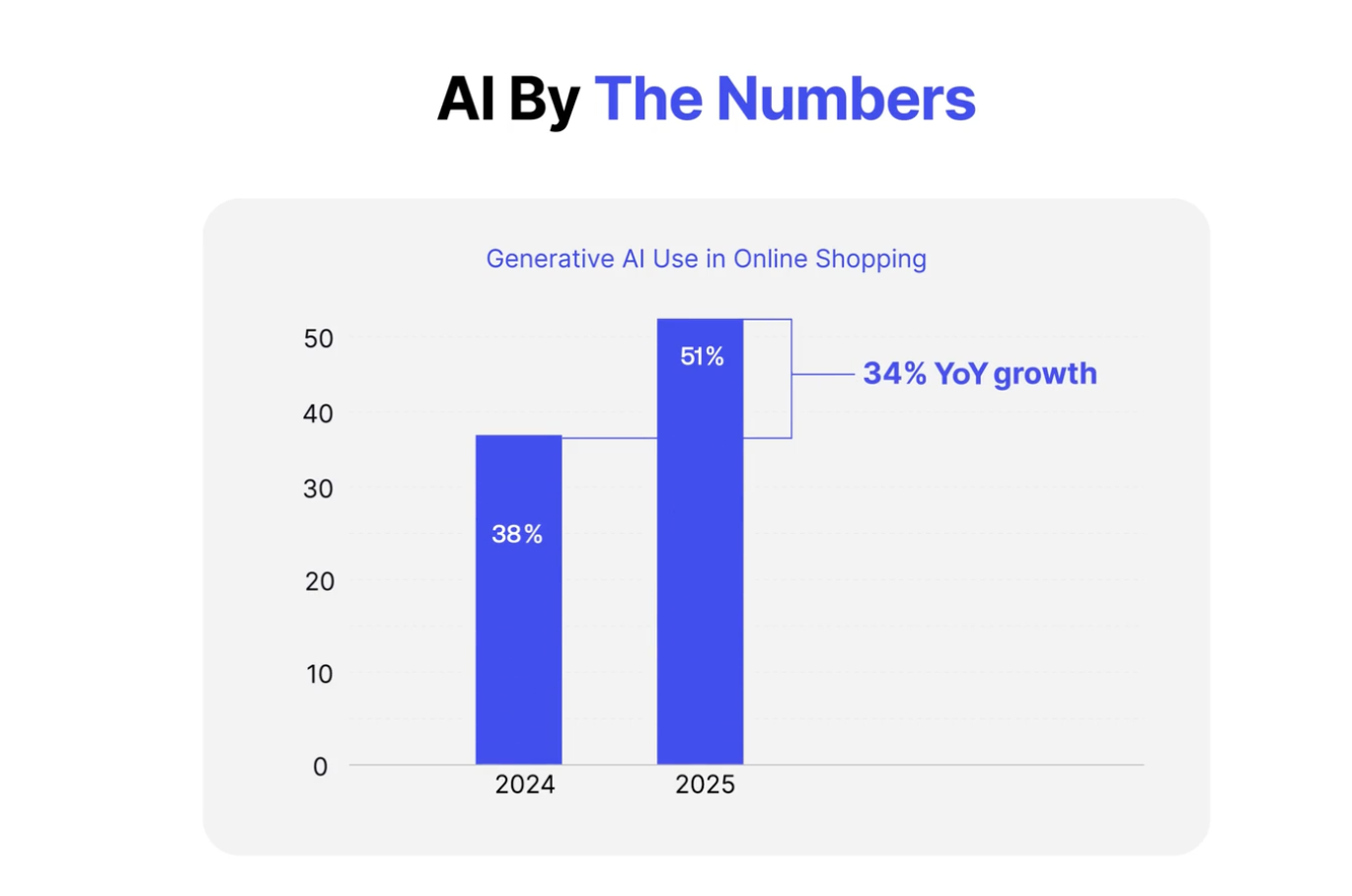
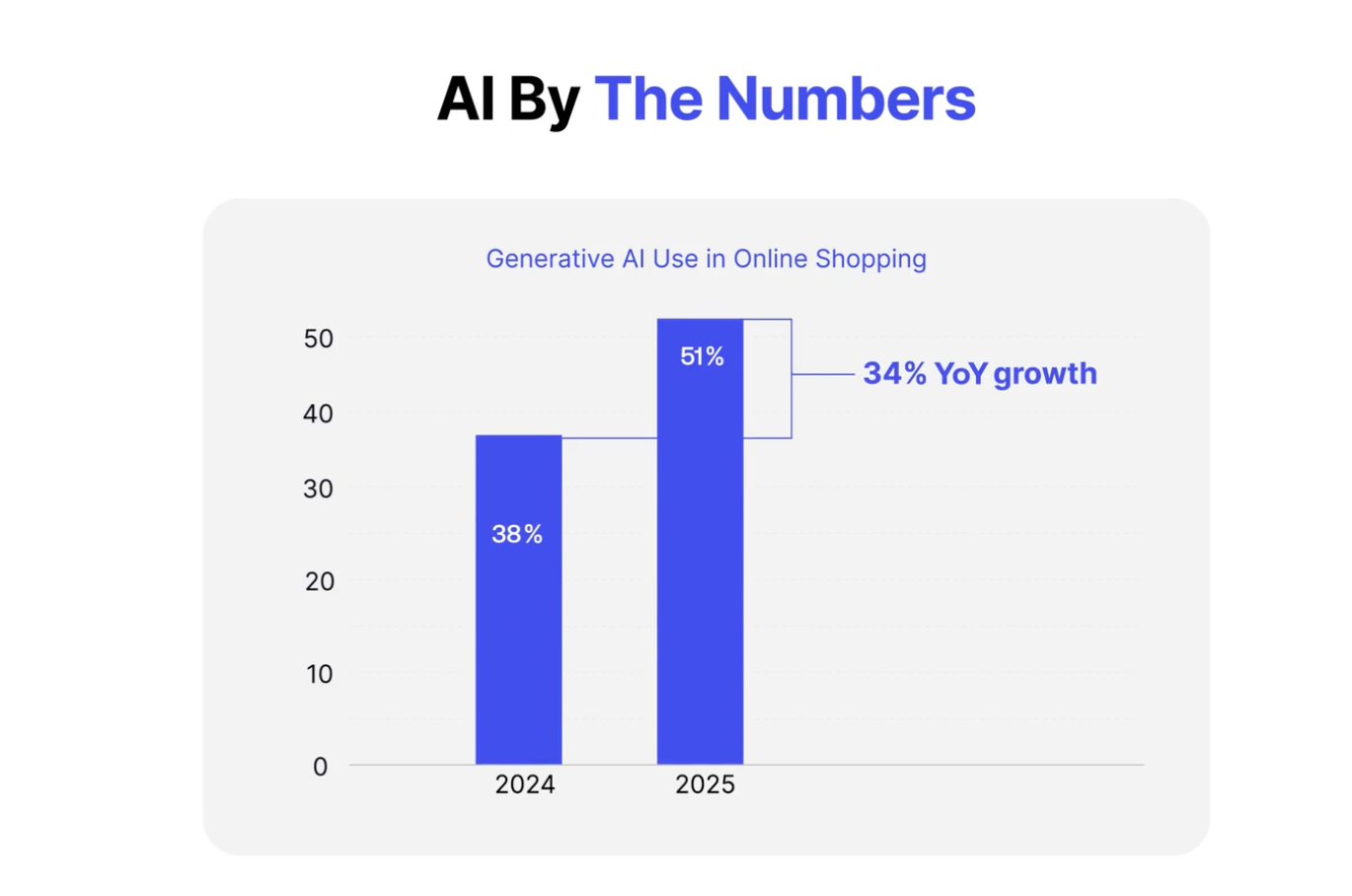
AI-sourced traffic to eCommerce is exploding. According to Stord's 2026 State of AI report, 17% of US consumers, roughly 45-50 million people, now regularly use AI for shopping, with that figure climbing to 37% among Gen Z. This is real revenue flowing through AI-powered product discovery. But here's the problem: the AI crawlers that power those shopping recommendations are technically indistinguishable from the AI-powered bots that scrape your prices, map your inventory, and probe your checkout for vulnerabilities.
Welcome to the AI bot paradox, the defining security and compliance challenge for eCommerce in the second half of 2026.
Bots have already taken the majority
The numbers are no longer subtle. According to Imperva's 2026 Bad Bot Report, automated bot traffic accounted for more than 53% of all web traffic in 2025, up from 51% the year before. Humans are now the minority of internet traffic for the first time.
Within that automated traffic, AI-specific bot activity is growing at an alarming rate. HUMAN Security's data shows that AI scraper traffic grew 597% from January to December 2025, with scrapers representing 31.9% of all observed AI bot traffic. Meanwhile, account takeover attacks, many now AI-powered, were up 40% year-over-year according to Imperva, averaging 10.6% of all web authentication traffic.
For eCommerce merchants, this creates an impossible dilemma. Block AI bots and you lose product visibility in the fastest-growing discovery channel. Allow them and you open the door to sophisticated automated attacks that your existing security tools weren't designed to detect.
When the discovery channel is the attack vector
Traditional eCommerce security drew a clear line between good bots and bad bots. Googlebot was good; it indexed your products. Scraper bots were bad; they stole your pricing data. The line was enforceable because the user agents and behaviours were distinct.
AI crawlers have erased that line entirely. Consider how the same underlying technology serves radically different purposes:
-
Beneficial: An AI search engine crawls your product pages so your products can be found by AI, recommended to shoppers asking 'what's the best wireless speaker under £200?' without them ever typing your store name.
-
Competitive intelligence: A competitor's AI tool crawls your product pages every fifteen minutes, adjusting their own prices to undercut yours before your pricing team even opens their dashboard.
-
Malicious: An AI-powered bot scrapes your entire product catalogue to create a convincing clone store, harvests inventory levels to identify when you're running low on popular items, or uses agent capabilities to hold inventory in abandoned carts during peak sales.
-
Compliance exposure: An AI training crawler ingests your product pages, including customer reviews containing personal details, creating potential GDPR and privacy obligations you haven't planned for.
The technical signatures of these activities are nearly identical. They arrive as automated HTTP requests. Modern AI crawlers render JavaScript, maintain sessions, and interact with pages in ways that mimic legitimate behaviour. The user agents are increasingly registered and verified. Your WAF sees a verified bot and waves it through. Your analytics platform records the session but can't attribute intent.
Why traditional security tools are blind to this threat
Most eCommerce security stacks are built around two assumptions: known malicious patterns (SQL injection, credential stuffing) and volumetric anomalies (DDoS). AI bot traffic violates both assumptions.
The volume is high, but it ramped up gradually, so the growth looks organic rather than anomalous. The patterns are sophisticated; AI crawlers render pages, click through navigation, and simulate the journey of a human shopper. The user agents are legitimate; major AI companies register their crawlers, making them "verified bots" that bypass many security filters by design.
This creates a monitoring blind spot specifically shaped like the AI bot paradox. Your security tools watch the perimeter. Your analytics tools track sessions. But nobody is watching the storefront itself, the actual product pages where data extraction and product discovery happen simultaneously, through the same browser rendering pipeline, using the same HTTP requests.
The 597% growth in AI scraper traffic during 2025 didn't trigger alerts in most eCommerce security systems. It just looked like more traffic. The scrapers that represented 31.9% of AI bot activity weren't flagged because they arrived through the same channels as the beneficial crawlers. The security tooling designed for a human-majority internet isn't equipped for a world where bots outnumber people.
The compliance dimension nobody has audited
Beyond the immediate security risks, AI crawler traffic creates compliance obligations that most eCommerce merchants haven't even considered.
If an AI training crawler ingests your product pages and those pages contain customer reviews with personal details, you may have a data processing obligation you haven't documented. If an AI agent interacts with your checkout system and payment information is present in the DOM in a way that creates a new data flow, your PCI DSS scope assessment may need updating. If AI-generated product recommendations cite your store's efficacy or safety claims, you may have liability exposure for content you didn't write and can't control.
These aren't hypothetical future risks. They are the natural consequence of a world where 53% of your traffic is automated and the fastest-growing segment of that automation serves dual purposes, purposes you can't distinguish without storefront-level monitoring.
What eCommerce teams should do now
The paradox can't be resolved by choosing to block or allow all AI bots. It requires a more nuanced, continuously monitored approach:
1. Map your AI bot traffic composition. Understand which AI crawlers visit your store, how often, and what they access. Infrastructure-level data from your CDN tells you volume. Storefront-level monitoring tells you what bots are actually doing with your pages.
2. Set access policies by bot category and page type. Allow AI search crawlers on product pages. Consider blocking training crawlers on pages with customer-generated content. Make intentional decisions about AI agent access to cart and checkout flows.
3. Monitor for behavioural anomalies in verified bot traffic. When a verified "search" bot is systematically crawling your API endpoints, admin paths, or customer account pages, the classification is wrong, whether by misconfiguration or by intent.
4. Establish behavioural baselines. Track AI bot access patterns over time. Sudden spikes around product launches, sales events, or pricing changes may indicate competitive intelligence gathering rather than search indexing.
5. Audit your exposed data surface. Review what customer PII, pricing logic, and inventory data is visible in page source, structured data, and API responses that crawlers can access.
The monitoring gap at the centre of the paradox
The AI bot paradox is fundamentally a monitoring problem. The merchants who will navigate it successfully are those who can see what's happening at the storefront level, where product pages are rendered, structured data is parsed, and bot behaviour reveals whether a visitor is discovering your products or stealing your competitive intelligence.
AuditIQ eCommerce monitoring provides this visibility. By continuously monitoring your storefront from the outside, the same perspective that both beneficial AI crawlers and malicious bots have, AuditIQ detects when pages are accessed in unexpected patterns, when structured data or product content changes in ways you didn't initiate, and when the symptoms of bot-driven manipulation appear on the storefront before they show up in your security dashboards.
The AI bot paradox isn't going away. As AI-powered shopping grows, with Gen Z adoption already at 37%, the volume and sophistication of AI traffic to eCommerce stores will only accelerate. The stores that thrive won't be the ones that block all bots or welcome all bots. They'll be the ones that can tell the difference.
Start monitoring your storefront's AI bot exposure today. Try AuditIQ for free and see what AI crawlers are actually doing on your product pages.
Others also read:
- How Generative Engine Optimisation is reshaping eCommerce discovery
- AI changes how customers find you: Site experience becomes the only moat
- What Google's merchant-free shopping vision means for eCommerce teams
FAQs
1. If I block all AI bots to protect against scraping, will that hurt my Google rankings?
Google's own crawlers (Googlebot) are unaffected by blocking AI training and agent bots. However, blocking AI search crawlers from ChatGPT, Perplexity, or Google AI Mode will remove your products from AI-generated recommendations, a growing discovery channel. The goal is selective access by bot category, not blanket blocking.
2. How can I tell if an AI bot is scraping my pricing data versus legitimately indexing my products for search?
User agent and verification status alone can't tell you. Behavioural signals matter more: crawl frequency (a search bot doesn't need to check your pricing every 15 minutes), the specific pages accessed (admin paths and API endpoints suggest intelligence gathering), and access patterns around your sales events or pricing changes. Storefront-level monitoring that tracks these patterns over time is the only reliable way to distinguish intent.
3. What does "AI agent access to cart and checkout" actually mean, and why is it a risk?
AI agents are increasingly capable of completing purchases on behalf of users, browsing products, adding to cart, and checking out autonomously. While this enables legitimate agentic commerce, it also means bots can hold inventory in abandoned carts during peak sales, probe checkout flows for vulnerabilities, or interact with payment forms in ways that affect your PCI DSS compliance scope. Monitoring what AI agents actually do in your checkout flow is no longer optional.
About the author
Dan Garner writes from AuditIQ's experience monitoring eCommerce performance, SEO, security, and reliability issues across Magento, Shopify, WooCommerce, and Adobe Commerce stores.